Power under contract. Not reactor ownership.
Bender Power Corp's role is to assemble the contracts, capital, and partners behind a project company, so an energy agreement can replace reactor ownership.
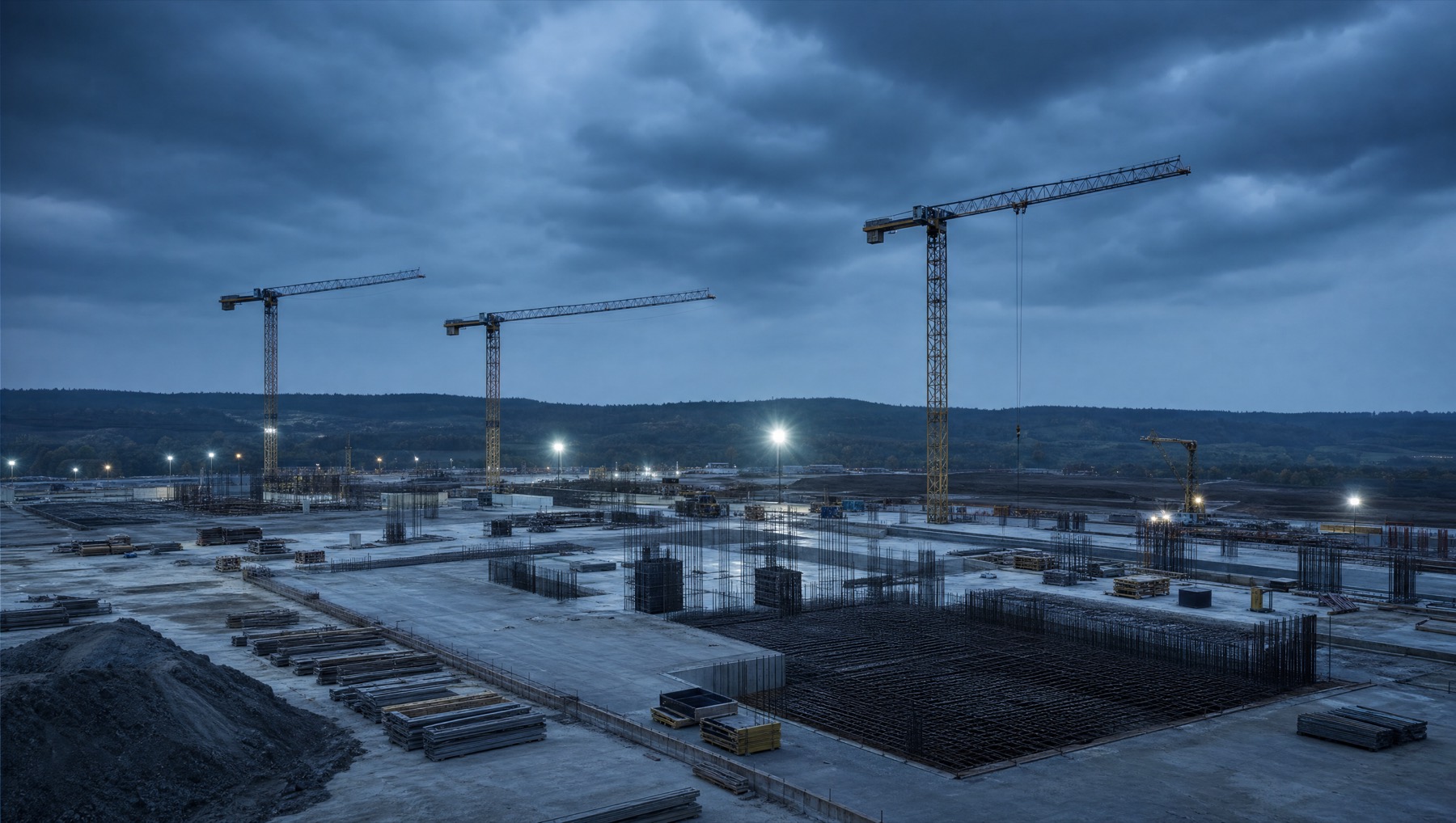
Designed around a customer energy agreement.
The customer would specify its load and contract for delivered energy under a long-term agreement, without owning or operating nuclear assets.
- Instrument
Contemplated instruments: conditional LOI, energy reservation agreement, or PPA term sheet.
- Defined by
Megawatts, site, term, load shape, reliability, and emissions requirements.
- Not required
No reactor purchase, no nuclear license, no operating obligations; licensing sits with the licensed operator.
Each project is structured into its own ProjectCo.
A dedicated project company sits between the customer and the asset, so each deployment is financed and governed on its own terms.
- Holds
Offtake, site rights, interconnection work, vendor agreements, permits, and the regulatory pathway, as each is secured.
- Sponsored by
Bender Power Corp, seeking to retain sponsor equity and governance rights, with licensing and operations held by third parties.
- Ring-fenced
Structured so risk, capital, and obligations stay contained within a single project entity.
Funding is sought at the project level.
Capital would be raised against contracted demand, so the customer's balance sheet carries an energy contract, not a construction program.
- Sources
Infrastructure equity, project debt, strategic capital, public incentives, and development-stage investors.
- Underwritten on
Underwriting depends on securing offtake, site control, a technology pathway, and vendor and operator commitments.
- Sequenced
Capital is staged against development milestones.
Vendors supply. EPCs build. Licensed operators run.
Bender Power Corp's role is to procure advanced nuclear technology from third-party vendors and to coordinate EPC, engineering, licensed operators, and utility interfaces.

- Technology
To be procured from third-party vendors, screened against project fit, regulatory maturity, and schedule.
- Construction
EPC and engineering firms would contract with the ProjectCo, not with the customer.
- Operations
Licensed operators contracted to the ProjectCo would run the plant; utility counterparties handle interconnection and dispatch.
Delivery begins at operations and runs the term.
Once operating, the ProjectCo would deliver electricity under the agreement it was built to serve.
- Delivery point
Set per site in definitive documents, alongside term and price mechanics.
- Conditions
Output, timing, and commencement remain subject to approvals and definitive agreements.
One structure, built to repeat across sites.
The same sequence — demand, site, technology, operator, capital, ProjectCo — is designed to repeat rather than be reinvented for each engagement.
- Standardized
Agreement templates, screening criteria, and diligence sequence designed to carry between projects.
- Per site
Site, utility, and regulatory conditions change per location; the commercial structure does not.
Start a conversation.
Bender Power Corp works with power buyers, site owners, utilities, technology providers, operators, and capital partners.
Every structure described here is preliminary and subject to regulatory approval, permitting, site control, technology selection, financing, and definitive agreements.